Global reactions diverge as ICJ confirms Myanmar genocide
The US and EU reacted differently to the ICJ's historic finding of genocide in Myanmar, with the West praising the precedent and China citing concerns over judicial overreach.
By Tyler Wood ·
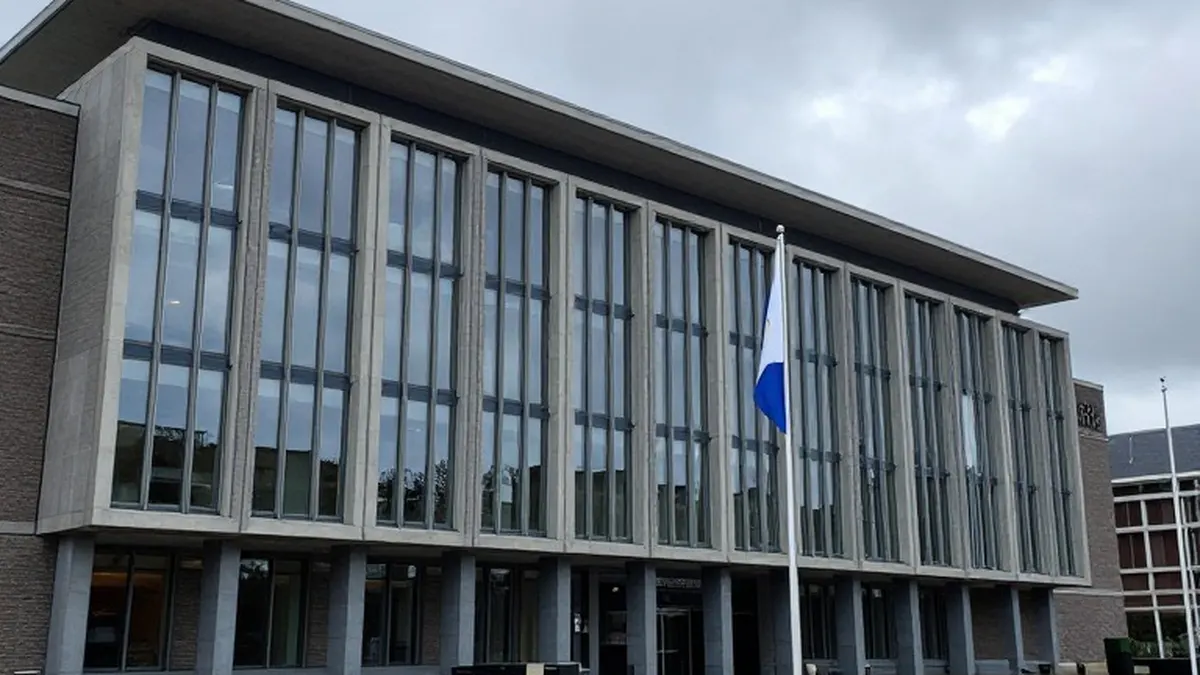
The international community reacted with a mix of praise and caution to the historic ruling by the International Court of Justice that Myanmar committed genocide against the Rohingya minority. The decision, delivered on Thursday, marks the first time the world’s highest court has found a state responsible for such a crime. This precedent could significantly influence future legal cases, including ongoing claims against Israel.
Western nations generally supported the verdict. The European Union described the judgment as a landmark moment, emphasizing that compliance with the court’s decisions is an obligation under international law rather than an optional choice. An EU spokesperson stated that the ruling underscores the necessity of upholding the rule of law and providing justice for victims who have endured immense suffering, displacement, and violence.
The United Kingdom also reaffirmed its full support for the court and the international legal order. In a concrete diplomatic move, the UK expelled Myanmar’s defence attache and called for measures to ensure the ruling sends a clear message that such crimes cannot go unpunished. Australia similarly urged Myanmar to comply fully with its obligations under international law.
In contrast, the United States adopted a more measured tone. The State Department announced that Washington was examining the judgment while stressing the importance of avoiding the politicization of the International Court of Justice. Although the current administration has expressed skepticism toward other international legal bodies, such as the International Criminal Court, it has not yet questioned the legitimacy of the ICJ. The US reiterated its support for the people of Myanmar and noted its role as the largest single humanitarian donor for the Rohingya crisis.
China, which has provided rare international backing to Myanmar’s military rulers since the 2021 coup, raised concerns about judicial overreach. A foreign ministry spokesperson told a news briefing that practices involving expanded interpretation and jurisdictional overreach are not conducive to settling disputes. The spokesperson urged the international community to work together to avoid complicating the issue.
Myanmar’s presidential spokesperson called the ruling unfair, pointing out that the judges voted nine to six rather than unanimously. Speaking from the capital, Naypyidaw, Khaing Khaing Soe noted that not all fifteen judges agreed with the decision. The military government has long denied carrying out a genocide, arguing that its actions targeted a Rohingya militant group responsible for insurgent attacks.
United Nations Secretary General António Guterres welcomed the decision as a demonstration of international justice. He stated that the ruling reaffirms that impunity for horrific acts must not stand. The legal battle began in August 2017 when Myanmar’s military launched a clearance campaign in Rakhine state, leading to reports of mass killings, rapes, and the burning of thousands of homes.
The court rejected Myanmar’s argument that its actions were primarily counter-terrorism operations or attempts to punish and displace the population without the specific intent to commit genocide. Under the 1948 convention, the court had to establish an intent to destroy the Rohingya group in whole or in part.
The ruling has broader implications for other pending cases. South Africa has accused Israel of breaching the genocide convention during its offensive in Gaza, a case that is still years from completion. Ukraine also has a case pending against Russia, alleging that Moscow fabricated genocide claims to justify its full-scale invasion in February 2022.
Despite the ICJ lacking direct enforcement power, its decisions are considered binding and carry significant diplomatic weight. They can shape international actions, including the imposition of sanctions. Currently, about 1.2 million Rohingya refugees live in Bangladesh, enduring harsh conditions in crowded camps that include fire hazards, infectious diseases, and inadequate sanitation.