TP-Link Continues to Face US Sales Ban on New Routers
Despite efforts to separate from its Chinese roots, TP-Link remains unable to sell its latest Wi-Fi 8 routers in the United States due to a 2026 federal ban on foreign-made networking equipment.
By Malik Popov ·
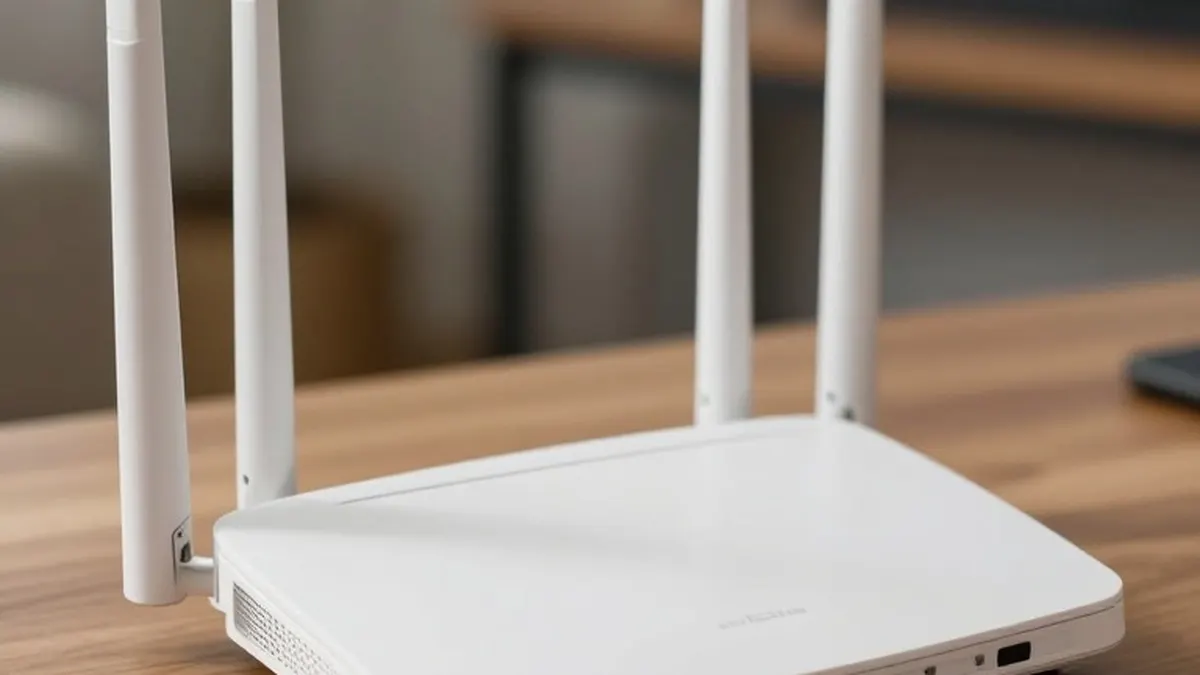
TP-Link, a major supplier of wireless routers for American households and small businesses, is still restricted from selling its newest Wi-Fi devices in the United States. The company has been unable to secure an exemption under a broad ban imposed by the Trump administration in March 2026. This policy targets foreign-made consumer routers, effectively blocking the import or sale of new models that are manufactured, assembled, designed, or developed outside of US borders.
The administration retains authority over which router manufacturers receive special permission to bring new products to market. This process involves a waiver review conducted by the Federal Communications Commission, the Department of Defense, and the Department of Homeland Security. While several of TP-Link’s competitors have successfully obtained exemptions to continue selling their new hardware, TP-Link has struggled to make a compelling case to government officials.
The ban does not affect routers that were already approved for sale before March 2026. Those existing models remain available on US shelves. However, the company’s newly released Wi-Fi 8 routers are currently stuck in limbo, as they cannot be imported or sold until the waiver process is resolved. This situation leaves a gap in TP-Link’s product lineup for consumers looking to upgrade to the latest wireless standards.
The ongoing struggle for TP-Link is not unexpected, given its origins in China and the current administration’s emphasis on reducing reliance on foreign technology. The political climate favors on-shoring tech production, which poses a significant challenge for companies with deep ties to international supply chains. Beyond the political backdrop, TP-Link must address specific security concerns raised by the government.
The company needs to convince federal agencies that its routers are not vulnerable to foreign hacking campaigns. Additionally, it must demonstrate that its technology is not under Chinese control, a point that was highlighted during a Congressional committee hearing last year. These security and sovereignty issues add layers of complexity to the waiver application process that other competitors may have found easier to navigate.
In an effort to distance itself from its Chinese heritage, TP-Link underwent a significant corporate restructuring. The company was originally founded in China in 1996. However, it has since split into two distinct entities. The US-based TP-Link completed a formal organizational separation from the Chinese entity in recent months.
This separation was finalized with the US-based company establishing its global headquarters in California in October 2024. This move was intended to solidify its identity as an American-led corporation. Despite these structural changes, the company continues to face hurdles in proving its independence to the regulatory bodies overseeing the router ban.
The outcome of TP-Link’s waiver application will likely serve as a key indicator for how the administration handles future cases involving foreign-owned technology firms. For now, consumers in the US must wait to see if TP-Link can bridge the gap between its corporate rebranding and the government’s security requirements.
The situation underscores the broader impact of the March 2026 ban on the consumer electronics market. As the US seeks to bolster its domestic tech infrastructure, companies with international roots are under intense scrutiny. TP-Link’s case highlights the difficulty of balancing global operations with the new demands for localized production and control.
Until further notice, TP-Link’s latest innovations remain unavailable to the general US public. The company continues to work through the regulatory channels, hoping to secure the necessary permissions to resume full sales operations. The resolution of this matter could influence how other foreign-based tech companies approach their entry into the US market in the coming years.
More News · National news · Report a business · Got a Story?