New Orleans Distributes Free Naloxone and Training
The city allocates 6.29% of state opioid settlement funds to a program running through 2038.
By Malik Popov ·
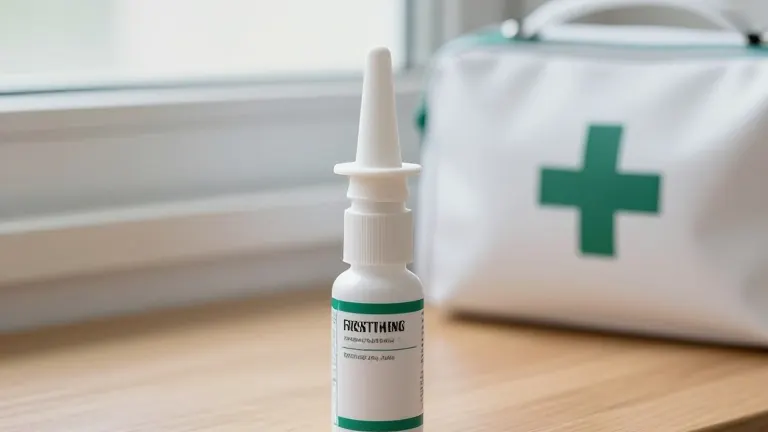
New Orleans residents can access free naloxone, a medication that reverses opioid overdoses, at four fire stations and City Hall. The New Orleans Department of Health and Human Services (NOHHS) manages these distribution points as part of a coordinated response to the local overdose crisis.
Pickup locations include Fire Station 1 at 2920 Magazine Street, Station 29 at 317 Decatur Street, Station 36 at 5403 Read Boulevard, and Station 40 at 2500 General de Gaulle Drive. Individuals seeking medication at City Hall must email naloxone@nola.gov. The Louisiana Department of Health maintains a map of additional free distribution sites across the state.
NOHHS also provides three no-cost training programs designed for everyday citizens. The Overdose Response course teaches participants to recognize symptoms and administer naloxone. The STOP THE BLEED program covers techniques to stabilize serious bleeding injuries until emergency services arrive. Hands-Only CPR training focuses on chest compressions and the use of AED devices during cardiac events.
These sessions are available individually or as a combined three-hour Bystander Response suite. NOHHS staff instruct small groups in all modules, ensuring the instruction remains accessible to residents without prior medical experience.
The city’s financial backing for these efforts stems from national lawsuits against opioid manufacturing and distribution companies. Louisiana has begun receiving settlement funds, and the city is allocated approximately 6.29% of the state’s total share. NOHHS will oversee the city’s portion of these funds, which are projected to last through 2038.
To guide how this money is spent, NOHHS partnered with Tulane’s School of Public Health to develop evidence-based recommendations. The resulting report outlines strategies for deploying the funds to those most affected by the crisis. The full document is available for public review.
The department states that these combined efforts aim to save lives by equipping neighbors with both the tools and the knowledge to act in emergencies.