Irish Police Raid Home of US Philanthropist Amid Ongoing Extradition Fight
Irish authorities raided the Dublin home of US philanthropist Fergie Chambers at the request of the Trump administration, adding a new front to his complex extradition battle in Spain.
By Tyler Wood ·
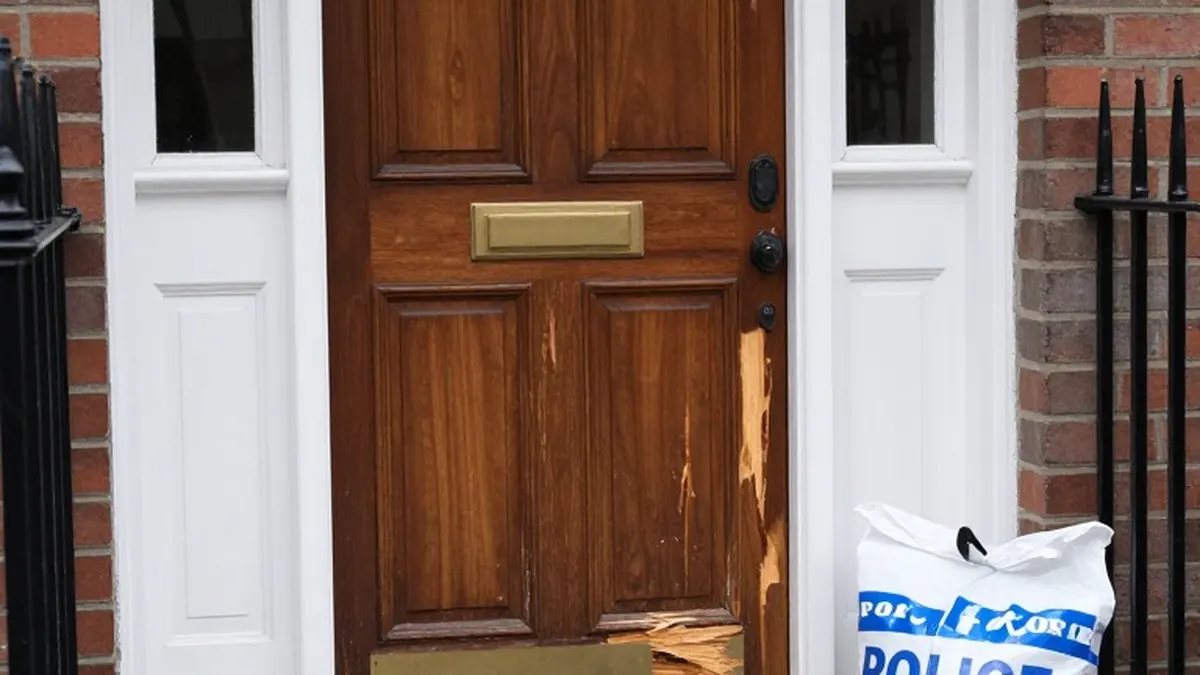
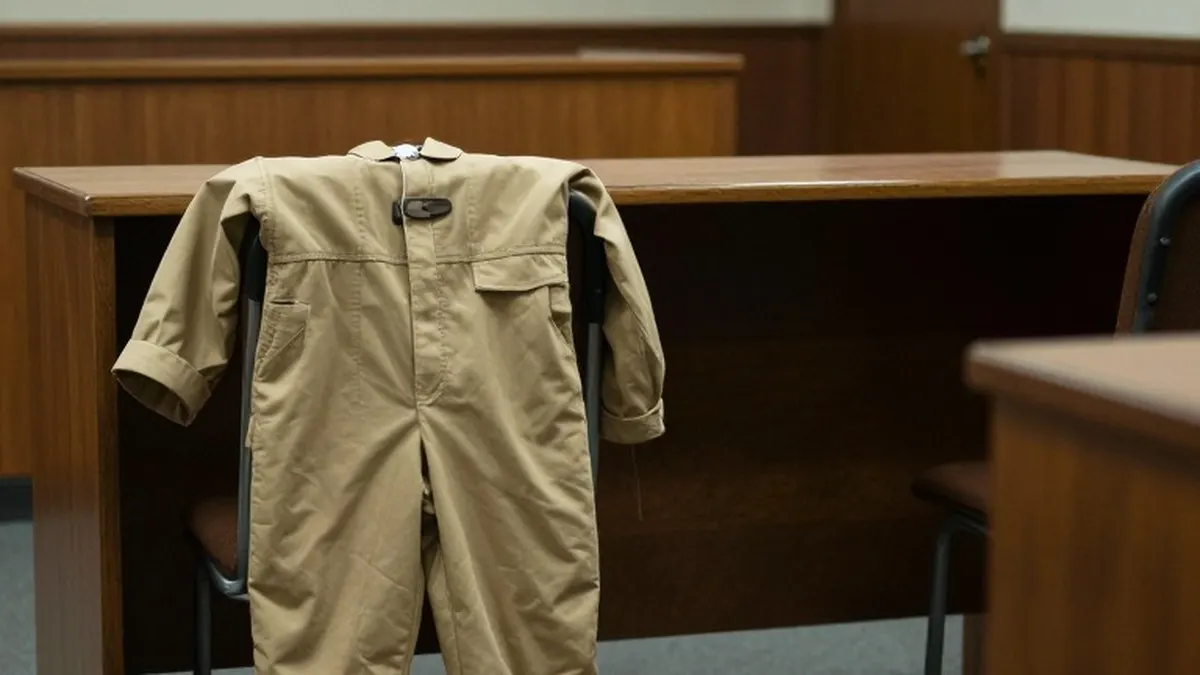
Irish police conducted a raid on the Dublin residence of American philanthropist Fergie Chambers, seizing electronic devices and clothing following a request from the United States government. The operation took place on Wednesday and marks a significant development in the high-profile legal battle surrounding the pro-Palestine donor.
Chambers is currently detained in Spain while awaiting a decision on his extradition to the United States. He faces charges that include international money laundering, a conviction for which could result in a maximum prison sentence of 20 years if he is extradited and found guilty.
Stella Schnabel, Chambers' partner, was notified of the raid by officers from the Irish Special Branch. The police forced entry into the home, breaking doors in the process, and advised Schnabel that she would need to arrange for repairs. Schnabel described the event as incredibly distressing, characterizing the police action as a desperate effort by US authorities to find additional evidence to support their case against Chambers.
Ciarán Mulholland, the lawyer representing Chambers and Schnabel, has raised concerns regarding the legal basis for the operation. He noted that the police did not specify the legal authority used or confirm if a warrant had been obtained. Mulholland has written to An Garda Siochana, the national police authority, to challenge the circumstances of the raid. He has demanded a copy of the search warrant and a detailed list of all items seized.
The legal team has issued a warning that if a substantive response is not received within seven days, they will initiate judicial review proceedings in the Dublin High Court. This move adds another layer of complexity to the already intricate international legal proceedings involving the philanthropist.
In related developments, two American activists, Bridget Shergalis and Sophie Ross, recently refused to testify before a Grand Jury in New Hampshire. This investigation is believed to be connected to the case against Chambers. The refusal to testify highlights the growing scrutiny surrounding the network of supporters and donors involved in the dispute.
Earlier this month, reports indicated that the extradition case was based on a criminal complaint signed by a single FBI agent rather than a standard indictment, a practice described as highly unusual. A summary of the complaint stated that if extradition is granted, a federal grand jury would be asked to seek a formal indictment.
Spain's appeal court granted Chambers provisional bail on Friday, with conditions, while the extradition proceedings continue. This decision followed the National Court's announcement that it would extend the deadline for its final decision due to errors found in the translation of key documents.
The US Department of Justice admitted to making substantial changes to the documents when translating them into Spanish. Chambers' legal team argued during his extradition hearing that these mistranslations manipulated the evidence and exaggerated the severity of the allegations. The lawyers have requested that the court commission a fresh translation by an independent translator and reassess the reliability of the extradition request in light of these discrepancies.
During his public appearance in court last Friday, Chambers spoke for the first time since his arrest in Spain. He explained that he supported relief efforts in Gaza because he viewed the conflict as the prevailing moral question of the current era.