Monopoly endures as a cultural symbol of capitalism and shared play
Nearly a century after its launch, the board game remains a staple of American life, reflecting both the chaos of capitalism and the universal joy of family game nights.
By Tyler Wood ·
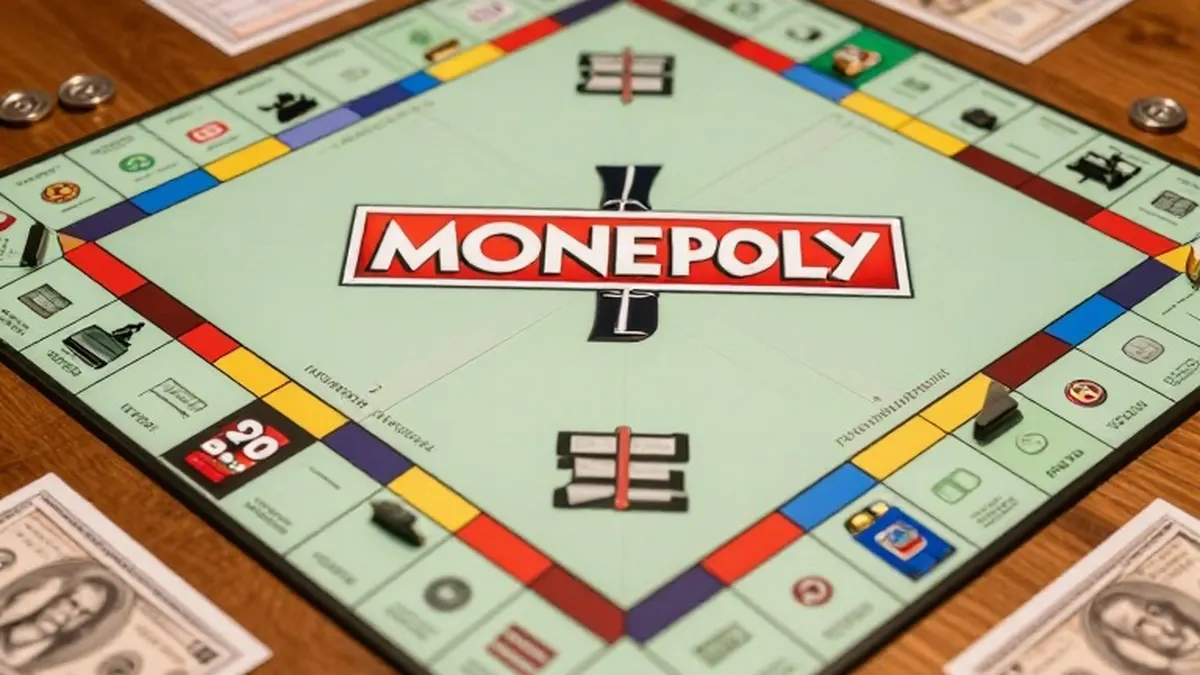
The familiar commands of Monopoly are known to millions: buy Marvin Gardens, draw a Get Out of Jail Free card, or construct a hotel on Boardwalk. Passing Go triggers the collection of $200, a simple mechanic that underpins a complex strategy game. With its distinctive colorful paper money and metal tokens, the game has defined family gatherings for decades, offering a mix of entertainment and intense frustration as players strive to win everything or face bankruptcy.
Despite its reputation for lengthy and competitive matches, Monopoly has become deeply embedded in the American experience. It functions not only as a common pastime but also as a cultural symbol. The game draws clear parallels to the realities of capitalism and the American dream, often lampooning the highs and lows of financial success while providing a structured environment for players to explore these themes.
Parker Brothers released Monopoly in 1935, a time when the United States was still grappling with the effects of the Great Depression. Philip Orbanes, a former Parker Brothers executive, notes in his book, “Monopoly: The World’s Most Famous Game and How It Got That Way,” that the game rapidly evolved into a common language. He describes it as a shared reservoir of enjoyment and experience that players from all over the world could share with equanimity.
Orbanes credits Parker Brothers significantly for this global reach, although the company did not invent the game. Instead, the American game maker purchased the rights to Charles Darrow’s version as well as the rights to its predecessor, Elizabeth Magie’s Landlord’s Game. Monopoly evolved through various adaptations of Magie’s original concept before becoming the standardized product known today.
According to Orbanes, Parker Brothers played a crucial role in standardizing the game, which included rewriting the rules. This standardization meant that consumers across the country played Monopoly in the same way, regardless of local preferences. A British game maker also contributed to ensuring that this standardization extended to international versions of the game.
While the official rules provide a shared starting point for millions of players, breaking those rules is also a long-standing tradition. Many families develop their own house rules, even though instructions for several Monopoly editions advise against this practice. The goal of the official guidelines is to keep the game short and sweet, but personal modifications remain a popular way to customize the experience.
Hasbro, the current owner of Monopoly, acknowledges that fan-created rules are an integral part of the gameplay for many enthusiasts. Some of these house rules have even inspired official variations of the game. In a news release marking the game’s 90th anniversary, Hasbro executive Brian Baker described Monopoly as a cultural phenomenon that has transcended generations. He noted that the game resonates deeply with players across the globe and that the company is celebrating the elements that fans have loved for nearly a century.
This story is part of a recurring series titled “American Objects,” which marks the 250th anniversary of the United States. The series explores various items that hold significant cultural weight in American history, with Monopoly serving as a prime example of a game that has shaped social interactions and economic narratives for almost 100 years.
The enduring popularity of Monopoly highlights its unique position in pop culture. It is a game that can be played by children and adults alike, offering a simplified yet poignant look at property ownership and wealth accumulation. Whether players follow the strict rules or invent their own, the game continues to bring people together around the table, fostering both collaboration and competition in a simulated capitalist world.
More News · National news · Report a business · Got a Story?