EU ambassadors set to clear final Ukraine accession clusters after Hungary shift
EU ambassadors are poised to approve the final two negotiating clusters for Ukraine and Moldova on November 20, following Hungary's decision to lift its objections.
By Tyler Wood ·
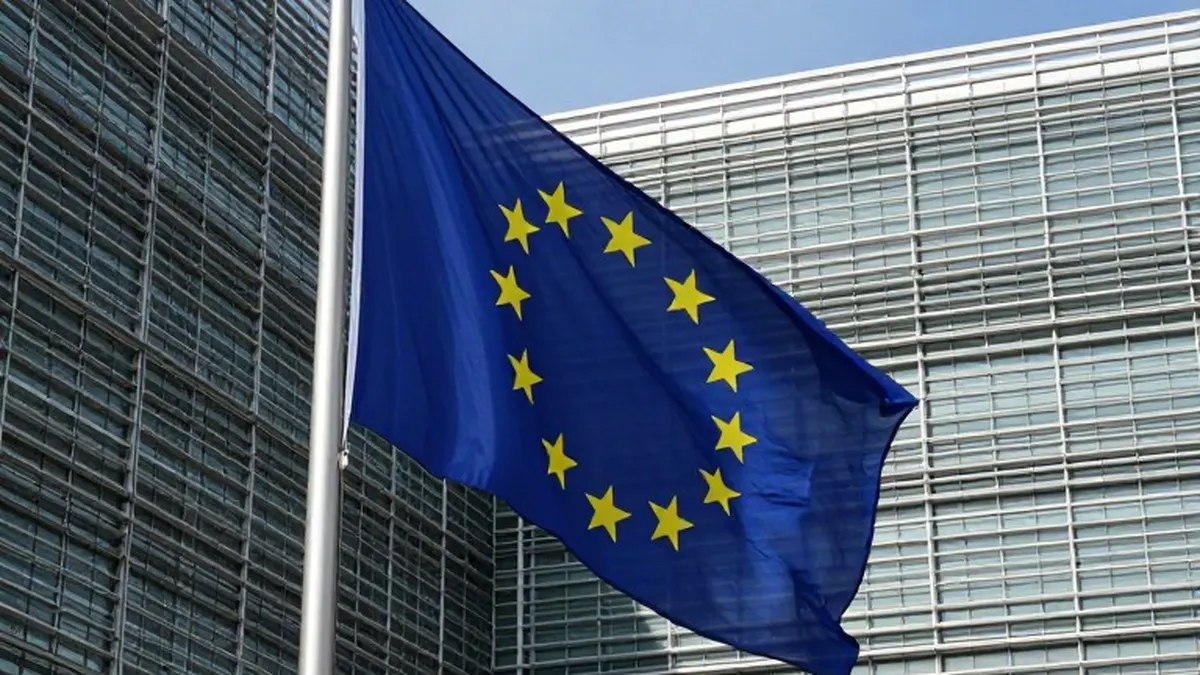
European Union ambassadors are expected to approve the screening results for the final two chapters of Ukraine's accession negotiations on Friday, November 20, 2026. This decision allows Ukraine to advance significantly in its bid to join the bloc, marking a critical step after months of procedural delays.
The approval process involves the Committee of Permanent Representatives, known as Coreper. Diplomatic sources in Brussels indicate that the items were placed on the agenda the previous day. This scheduling move came after Hungary signaled its willingness to lift long-standing objections to the progress.
A diplomatic source familiar with the developments noted that Hungary communicated its readiness to move forward through the working group. The source added that both the Ukrainian and Moldovan items are listed as non-discussion points, meaning they are not open to debate during the session.
Procedural changes were also observed during this cycle. Instead of being considered at a meeting of the Council Working Party on Enlargement, the items were referred directly to Coreper. One source clarified that this direct route occurs occasionally when specific conditions are met, bypassing the earlier working party stage.
The EU ambassadors will vote on the screening results for Cluster 4 and Cluster 5 at 10:00 on Friday. Cluster 4 encompasses the Green Agenda and Sustainable Connectivity, covering areas such as transport, energy, trans-European networks, and climate change. Cluster 5 focuses on Resources, Agriculture, and Cohesion, including fisheries, regional policy, and budgetary provisions.
Similar approvals for Moldova are also included on the Coreper agenda for the same day. If the committee reaches a positive decision, the next procedural step involves sending official letters to both countries. These letters will invite Ukraine and Moldova to submit their formal negotiating positions on the two clusters.
Following the receipt of these positions, the EU must prepare and agree upon its own common negotiating positions for each cluster. This stage requires the consent of all EU member states. Only after this internal agreement is reached can an intergovernmental conference be held to officially open the negotiations.
The next scheduled meeting of the EU General Affairs Council, which hosts such intergovernmental conferences, is set for December 15, 2026. However, the conference to open these clusters could occur earlier than that date, provided the necessary procedures are completed and the common positions are agreed upon in the interim.
This development follows a period of hesitation. On November 10, Hungary had again refused to agree to the approval during a working party meeting. This was part of a series of objections voiced on October 20, October 27, and November 3. Despite these previous blocks, Hungary did not present new demands that would have been required to facilitate progress.
The European Commission also recently sent a report to the Council regarding Moldova's fulfillment of interim benchmark requirements. The approval of this report will allow Moldova to begin closing its negotiating chapters, mirroring the procedural path now being cleared for Ukraine.