Millie Moon diaper complaints hit record high, but no federal recall has occurred
Record-breaking complaints about Millie Moon diapers have prompted calls for a recall, yet the CPSC has never mandated a diaper recall due to high regulatory thresholds.
By Malik Popov ·
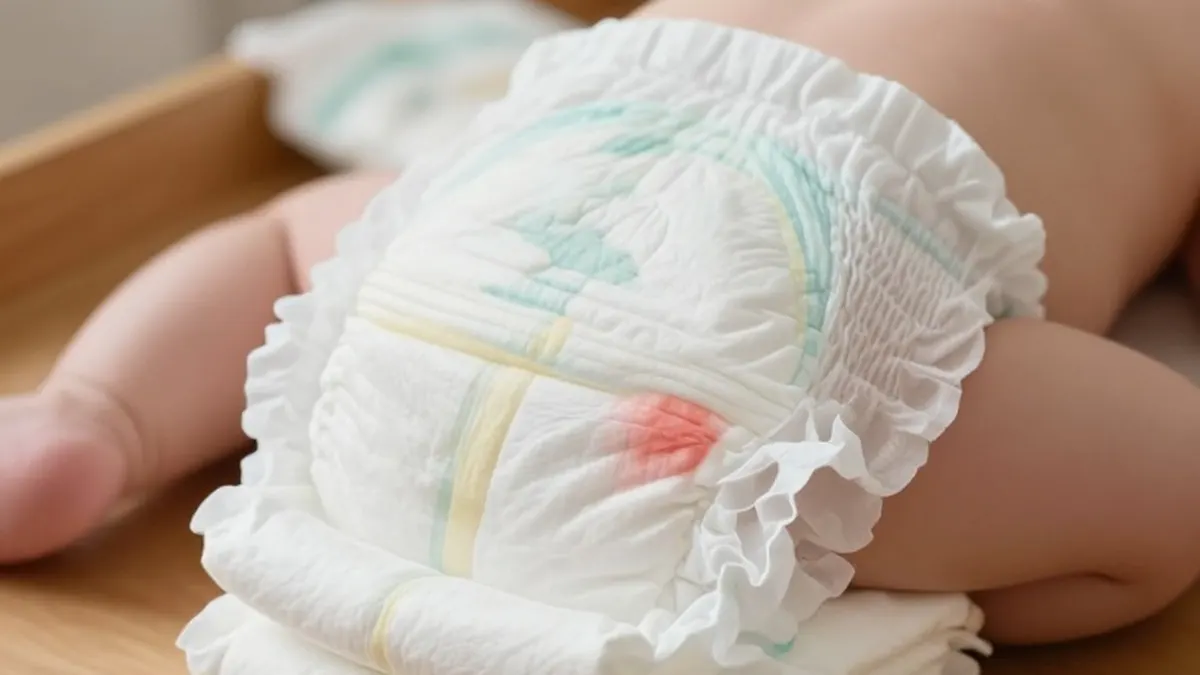
A surge in consumer complaints regarding Millie Moon diapers has resulted in the highest number of incident reports for a single diaper brand since the Consumer Product Safety Commission launched its online reporting site in 2011. More than 700 parents, caregivers, and health care professionals have reported cases of diaper rash and what they describe as chemical burns after using the brand. Despite the volume of reports, the company has not issued a recall, and federal legislation requiring ingredient transparency remains absent.
Natalie St. Ward, a mother of three, described her experience with the brand. Her oldest child, who was larger than average, tolerated the diapers well, but her middle daughter developed a severe rash this summer. St. Ward noted that the irritation appeared suddenly, with blistering and redness that resembled burns. Although her pediatrician prescribed a steroid cream, the rash only cleared up after she switched to a different brand. Her youngest child experienced a similar reaction, which also resolved upon changing brands.
Gabe Knight, a senior policy analyst at Consumer Reports, stated that the number and severity of incidents constitute a meaningful safety signal. He noted that even if the manufacturer has not yet identified a specific cause, the reactions indicate that something is not right. Consumer Reports is currently calling on Millie Moon to issue a voluntary recall of its products.
In response to the media inquiry, Millie Moon stated that it has gone substantially beyond routine regulatory testing. The company reported working with seven independent organizations to test for chemical safety and contamination. A company email indicated that skin-irritation complaints represent fewer than 0.1 percent of diaper packs sold. The manufacturer claimed that its investigation found no product-related cause for the reported reactions.
The 2026 data dwarfs previous years. Last year, there were 95 total incident reports for all diaper brands, with 83 involving Huggies. In 2011, there were 77 reports involving Pampers. The current number of Millie Moon incidents exceeds the combined complaints from all manufacturers over the previous decade and a half. A significant jump in reporting occurred in May 2026 after a Reddit user directed parents to the CPSC reporting site, causing incidents to rise from 16 in April to 108 in May.
Diapers have historically generated a high volume of incident reports compared to other product categories. Between 2011 and 2025, diapers ranked as the fifth-highest category for consumer complaints. However, the CPSC has never announced a recall for diapers. In a previous case involving Pampers Dry Max diapers, the CPSC found no link between the product and rashes, though the parent company settled a class action lawsuit in 2011.
The regulatory framework for diapers is less strict than that for other infant products such as cribs and strollers. There is no dedicated standard under the Consumer Product Safety Improvement Act, and companies are not required to disclose ingredients or undergo standardized absorbency tests. This lack of transparency makes it difficult for parents and doctors to identify causes of skin reactions.
State-level efforts are beginning to address the gap. California recently passed AB1901, which requires manufacturers to fully disclose ingredients on packaging and online. New York and Illinois have similar laws. Sydney Swanson, a senior science analyst at the Environmental Working Group, believes these laws will help parents and researchers identify product contents. The CPSC stated that while it has jurisdiction over many products, it is always open to considering new rulemaking initiatives.
Under the Consumer Product Safety Act, a recall requires the establishment of a substantial product hazard, meaning a defect that creates a substantial risk of injury. A CPSC spokesman noted that prior investigations into diapers did not find sufficient justification for such a designation. Knight observed that by the time a recall happens, it often means an unsafe product has already caused harm to consumers.
More News · National news · Report a business · Got a Story?