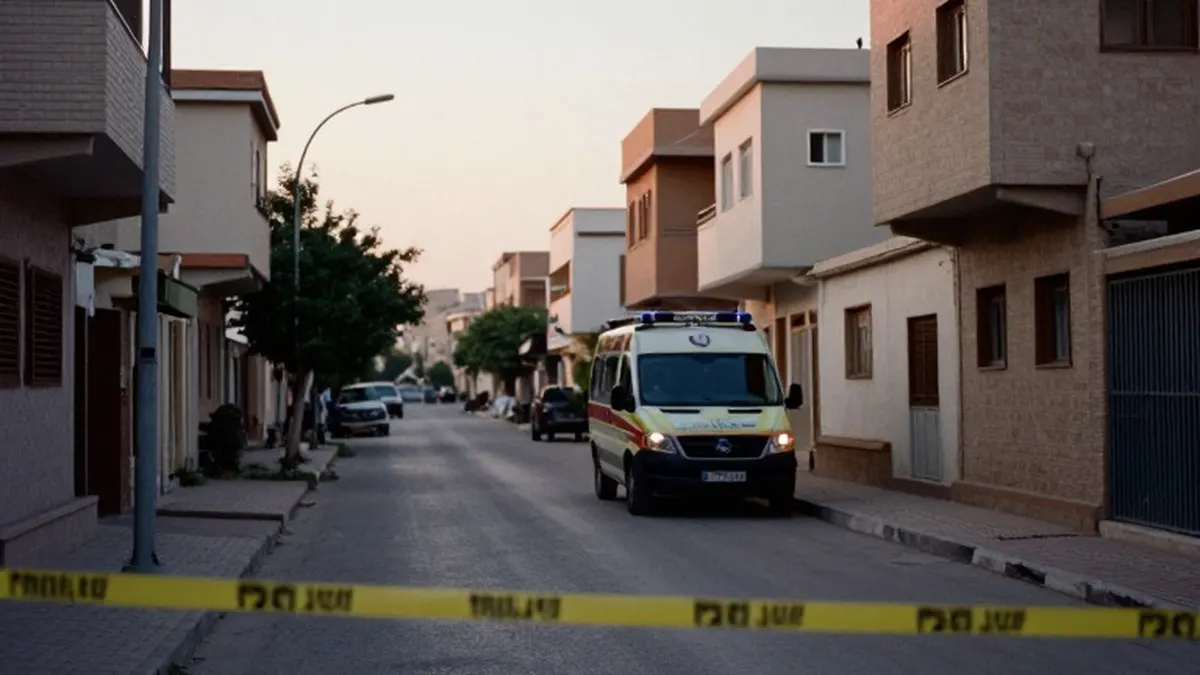
Yemeni drivers face rising costs and engine damage from contaminated petrol
A shortage of fuel and quality control issues in Sanaa are leaving motorists with expensive repairs and increased travel times as the war continues to strain the economy.
By Riya Zielinski ·
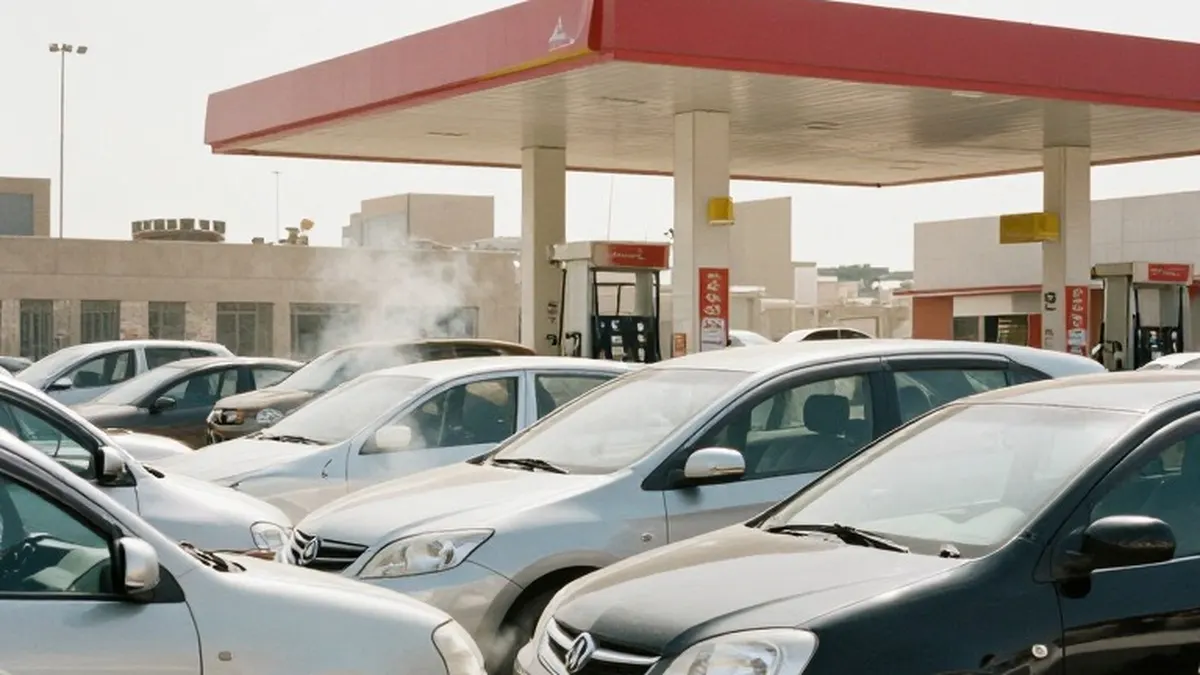
Drivers in Sanaa, Yemen, are reporting widespread issues with their vehicles after filling up with contaminated petrol. Yazan, a 28-year-old driver who asked to be identified by his first name only, described a journey to the southern city of Ibb that should have taken two and a half hours. Instead, the trip lasted six hours due to persistent engine vibrations and a struggle to accelerate. Yazan attributed the problem to fuel mixed with oil and impurities, a condition he believes has affected numerous cars in the capital.
The Yemen Petroleum Company, which is operated by Houthi forces in northwest Yemen, has offered an explanation for the poor fuel quality. In June, the company stated that the issue stemmed from inadequately equipped storage facilities in Hodeidah. Since 2024, Israeli and United States airstrikes have targeted fuel storage tanks in Hodeidah and the nearby Ras Isa oil terminal. These strikes were launched in response to Houthi attacks on shipping in the Red Sea and on Israel. The company argued that the damaged facilities prevented the removal of impurities before the fuel reached the market.
However, many Yemenis and analysts dispute this official account. The Sanaa Center for Strategic Studies suggests that restrictions on fuel imports have forced the Houthis to rely more heavily on lower-quality Iranian fuel. Mohammed Ansi, a Yemeni academic, criticized the lack of oversight in the fuel supply chain. He described the shipments as being driven solely by profit and commissions, noting that regular citizens are being exploited in the process.
The volume of fuel entering the country has dropped significantly. According to the World Bank, imports fell by 73 percent through Houthi-controlled ports and by 60 percent through government-controlled ports between January and May of this year, compared to the same period in 2025. This decline is partly due to the impact of the US-Israeli war on Iran, which affects oil shipments through the Strait of Hormuz, as well as physical damage to Yemen’s ports from various attacks.
The financial burden on families is increasing as petrol prices rise. A few weeks ago, 20 liters of petrol cost 9,500 Yemeni riyals, which is approximately 18 US dollars at Houthi-set rates. The price has since increased by 20 percent to 11,400 riyals, or about 21 dollars. This does not account for the additional costs of repairing engines damaged by the contaminated fuel. An April report from the International Monetary Fund noted that the conflict has led to significant macroeconomic vulnerabilities, leaving more than half of the population in urgent need of humanitarian assistance.
Taxi driver Akram Naji is among those affected. After hearing strange noises from his engine, he visited a mechanic in Sanaa’s Maeen district. The mechanic diagnosed a faulty fuel pump, clogged injectors, and reduced performance. The repairs cost Naji 55,000 riyals, roughly 100 dollars. He stated that paying this amount immediately was a challenge, forcing him to skip full rent payments and cut daily family expenses to cover the maintenance.
Ali Beidhani, a mechanical engineer, explained that impurities in the fuel accumulate in the combustion system. When exposed to high temperatures, the oily substance becomes viscous, similar to glue. This leads to damage to engine valves, clogged injectors, and vibrations. In severe cases, the contamination can cause complete engine failure. Beidhani observed that many drivers must borrow money or sell possessions to afford these repairs.
Wafiq Saleh, an economic researcher and executive director of the Taiz Centre for Yemeni-Gulf Studies, argued that the authorities in Sanaa bear responsibility for supplying the market with adulterated petrol. He noted that the spread of contaminated fuel disrupts the livelihoods of drivers, farmers, and delivery workers. Saleh stated that the situation drains citizens’ savings and forces breadwinners to focus on fixing vehicles rather than feeding their families. Naji, for his part, now checks the color of the petrol at every station, hoping to spot signs of contamination before it damages his vehicle.
The crisis highlights the deepening humanitarian challenge in Yemen. As the war continues, the cost of living rises, and essential services like fuel become less reliable. For many drivers, the car is not just a mode of transport but a tool for survival, making the recurring costs of fuel and repairs a significant strain on already limited household budgets.