Malawi Fuel Crisis Triggers Violence and Economic Strain
A severe fuel shortage in Malawi has led to chaotic queues, violent confrontations, and significant economic hardship for citizens and businesses.
By Riya Zielinski ·
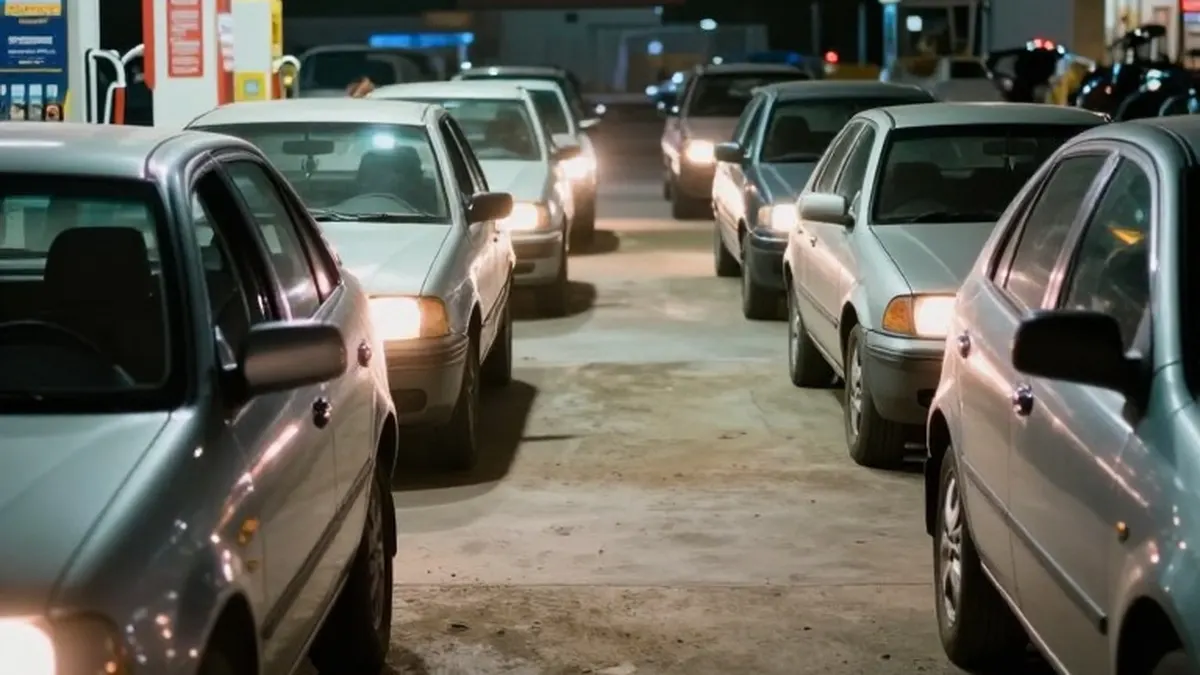
The search for petrol in Malawi has evolved into a daily ordeal for motorists, who are spending hours or even entire nights waiting for tankers that may not arrive. As supplies dwindle, filling stations across the country have become focal points for frustration, with the uncertainty surrounding deliveries making it difficult for drivers to plan their movements despite daily schedules published by the Malawi Energy Regulatory Authority.
Ken Mhango, a 40-year-old car dealer in Blantyre, described the chaotic scene at a local station where he waited four hours to purchase just 20 litres of fuel. He noted that minibus drivers and motorcycle taxi operators frequently jumped queues, causing scuffles as people, including women, desperately tried to maintain their place in line. Mhango highlighted the added pressure of scarce money, stating that the current atmosphere of uncertainty forces individuals to plan meticulously just to survive.
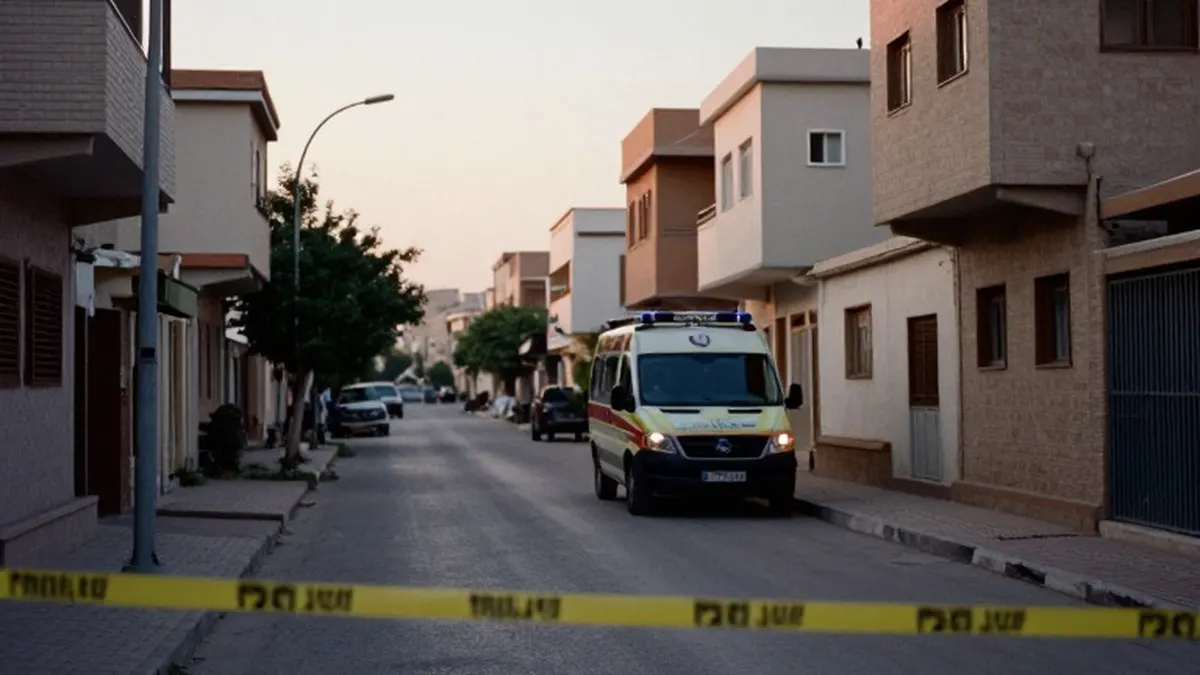
The scramble for fuel has increasingly turned violent in urban areas. Videos of confrontations have circulated on social media, including unverified footage of a man being attacked at a station. Local media reports indicate that the mayor of Blantyre has been sued for assault following an incident in a fuel queue, while a station attendant was killed after being struck by a vehicle during a commotion. Purchases are reportedly rationed to 20 litres per day, though some drivers pay extra for additional amounts.
Mhango’s routine has been significantly disrupted by the crisis. On one recent occasion, he joined a convoy at Nyabadwe filling station in the late afternoon, but the tanker did not arrive until 9 pm and did not depart until 1 am. He described commuting as a luxury rather than a norm, noting that his business suffers because clients cannot bring their vehicles in for service due to a lack of fuel. Consequently, he is considering reducing employee salaries to meet monthly targets.
With official supplies limited, many residents have turned to the black market, where fuel is sold at inflated prices. Mhango paid approximately 30,000 Malawian kwacha for two litres of petrol for his father and has also suspected that fuel bought for his garage was mixed with water. Although selling fuel without permits is illegal, the high demand has created opportunities for informal vendors, who charge prices far above the global average of $1.52 per litre. Malawi’s petrol price currently stands at about $3.24 per litre.
The informal trade has proven deadly, with authorities stepping up arrests of illegal vendors. Fires and explosions caused by unsafe storage have claimed lives, and the Nation newspaper has documented at least six deaths from such incidents this year. Earlier in the year, protests erupted in Lilongwe after a suspected black market seller was burned alive in an explosion following a police chase.
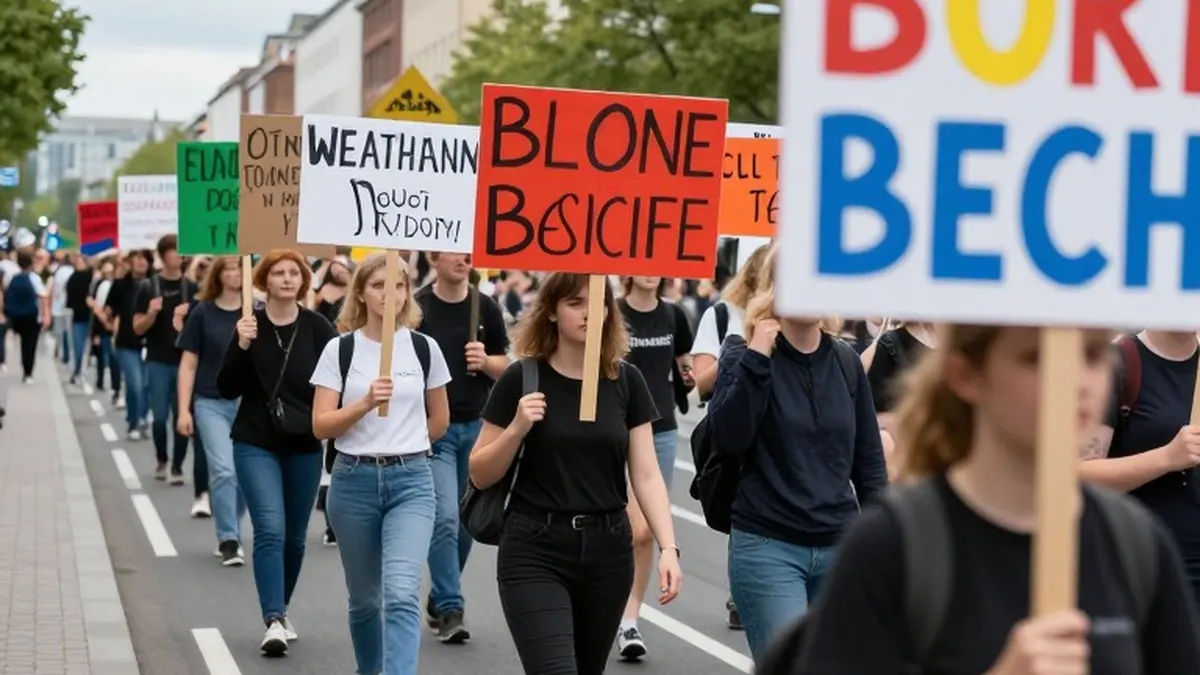
The crisis has fueled demands for government accountability, particularly when combined with foreign-exchange problems and electricity blackouts. The Human Rights Defenders Coalition planned nationwide demonstrations on November 17 to demand the resignation of the energy minister. However, the protests were postponed after police cited a lack of security resources due to a governing-party parade scheduled for the same day.
Michael Kaiyatsa, chairperson of the coalition, described the fuel situation as heartbreaking and a human rights issue that affects access to healthcare, education, and employment. He emphasized that while law enforcement must address the dangers of illegal trading, it must do so with respect for human rights and due process. The Ministry of Energy acknowledged the challenges, attributing the shortages to financial, foreign exchange, and logistical constraints, while stating that interventions were underway to restore supplies.
For small-scale operators like Tadala Kachingwe, a motorcycle taxi driver in Limbe, the shortage has depleted his savings and reduced his earnings. He noted that it has become difficult to even enter filling stations, as minibuses block the entrances. Kachingwe now has to pay helpers to sneak his motorcycle into the queue, highlighting how the crisis is impacting the livelihoods of ordinary citizens across the country.