Prosecution argues accused officer's body disposal plan reveals deliberate intent to kill
In a Sydney murder trial, the prosecution contends that the accused's calculated cleanup and disposal of victims' bodies contradict his claim of panic and self-defence.
By Malik Popov ·
A court in New South Wales has heard that the explanations provided by Beau Lamarre-Condon regarding the disposal of two bodies ring completely hollow. The former police officer is on trial for the alleged murders of Jesse Baird and his partner, Luke Davies, who were fatally shot in Baird’s Paddington home in Sydney on 19 February 2024.
Lamarre-Condon has pleaded not guilty to two counts of murder and one charge of aggravated break and enter. As the trial concluded its ninth week, Crown prosecutor Brett Hatfield SC detailed the steps the accused took to clean the crime scene and remove the bodies. While the defence argues that Lamarre-Condon acted out of considerable panic, Hatfield told the supreme court that the behaviour was deliberate, sustained, and purposeful rather than the reaction of someone who feared an unintended outcome.
The prosecutor highlighted that Lamarre-Condon took extensive measures to distance himself from the deaths. This included manufacturing evidence by texting people from the deceased Baird's phone to simulate life and disposing of the bodies in what was described as an utterly callous manner. Hatfield argued that such lies and concealment are not easily explained by manslaughter or accident, but are consistent with a planned murder.
Earlier in the day, Hatfield played audio recordings of the two gunshots that killed the victims. He invited the jury to consider the limited time available in the four seconds between shots. Using a hand gesture to demonstrate, Hatfield argued that there was only enough time to take a few steps and fire, leaving little opportunity for other actions. This evidence, the prosecution suggests, undermines the defence's theory of separate struggles.
The defence alleges that Lamarre-Condon acted in self-defence when he killed Baird and Davies in two distinct incidents. However, Hatfield pointed out that the accused later claimed a moral dilemma, fearing for his safety in jail despite knowing he would be in protective custody. The prosecutor suggested this claim was a pathetic attempt to justify his actions.
Hatfield also cited the accused's post-shooting activities, including a dinner at Sushi Train with a friend and undergoing minor elective surgery. These actions, the prosecutor argued, demonstrated that Lamarre-Condon remained calm and even completely relaxed in the immediate aftermath. However, the prosecutor noted that within days, the accused must have felt the pressure mounting as he continued to cover up the events.
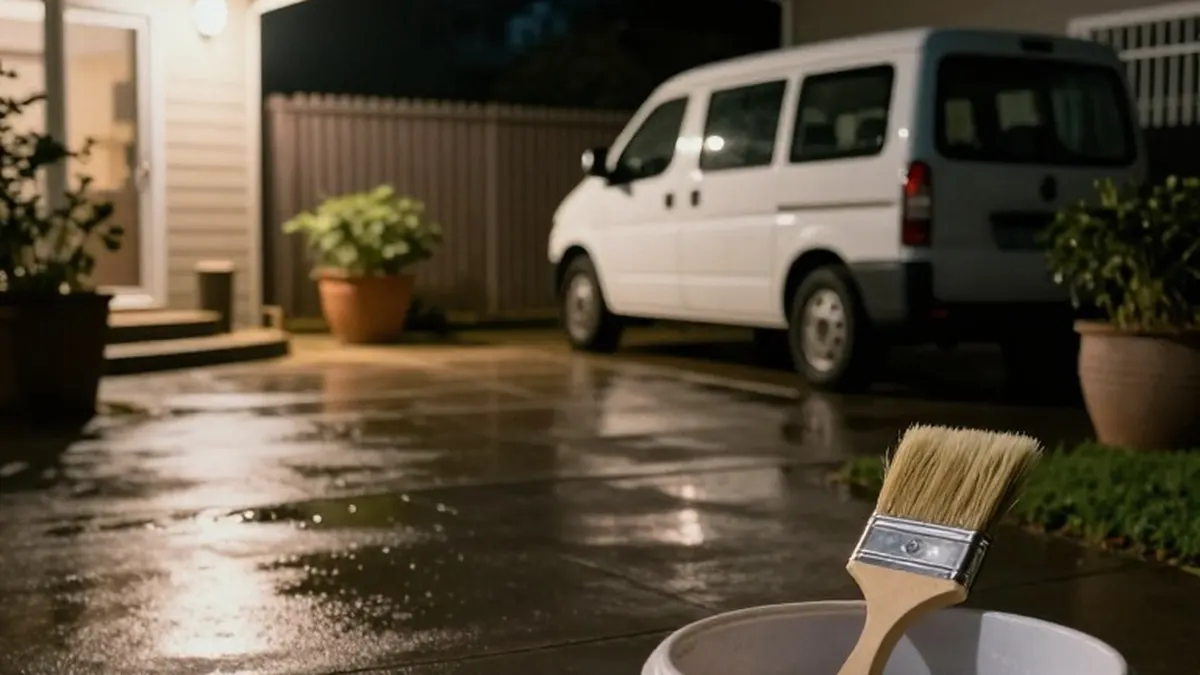
In the final hours before handing himself in, Lamarre-Condon was reportedly at a hardware store buying paint to cover the inside of his van. Hatfield told the court that this behaviour showed he was still attempting to conceal what had happened, rather than simply surrendering. He eventually helped police locate the bodies, but only after being informed about the state’s no body, no parole laws.
The bodies remained undiscovered for four days after the accused’s arrest, a period during which evidence was being destroyed. Hatfield urged the jury to imagine the grief experienced by the families during those four days. He noted that while Davies’ DNA was found on the gun, this was unremarkable evidence given that Lamarre-Condon had handled the body at the scene before touching the weapon.
Forensic evidence presented earlier indicated that pulling the trigger required a force equivalent to almost three kilograms, which would not occur without a conscious movement by the person holding the gun. This contradicts the narrative that Davies shot himself. The trial is presided over by Justice Natalie Adams and continues in the New South Wales supreme court.